
Beyond compliance: how superannuation reporting teams are navigating a more demanding environment
- Team Nuj

- Apr 8
- 5 min read
Updated: Apr 24
Insights from the Nuj Super Reporting Forum
In the past, APRA regulatory reporting was handled quietly by finance or compliance teams. It was a technical, routine task that most of the business didn't notice. Those days are behind us.
APRA SDT Phase 1 established the industry-wide reporting framework. Phase 2 has added greater complexity, richer data requirements, and new stakeholders previously unexposed to APRA reporting. Now, the submitted data is more visible, public, and central to fund comparisons. The relationship with APRA has also evolved in ways yet to be fully understood.
This shift in the regulatory reporting landscape was the focus of a recent Nuj Super Reporting Forum, where we brought together people from across super reporting to discuss what these changes mean in practice.




The stakeholder footprint has expanded.
The challenge is that APRA submissions rely on data from many teams, not just one. Investment, operations, member services, legal, actuarial, and others all contribute. Many of these teams haven't dealt with regulatory reporting before, but now they're involved.
SDT Phase 2 has pulled entirely new groups of stakeholders into the reporting process, business teams who don't have regulatory deadlines front of mind. Gathering data from the right people, in the right format, before the validation window closes, is one of the most persistent challenges raised by those in the room.
The role is evolving faster than the resourcing.
The professionals who joined us for this session are feeling the weight of this expansion. The reg reporting role has shifted from technical preparer to strategic enabler. It now involves change management, relationship management, and cross-functional leadership.
None of this has been matched by meaningful increases in headcount. Reporting teams remain lean. The gap between what is being asked of them and the resources available to them is being bridged largely by individual effort and goodwill. That is not a sustainable model heading into SDT Phase 3.
New requirements, old systems
The tools most teams are using haven't kept pace with what's being asked of them. Most funds still manage reporting data in Excel, and data collection is handled via email. Visibility exists, but getting it requires effort. Teams and managers are chasing updates, consolidating inputs from multiple sources, and piecing together where things stand before the real work has even begun.
Coordinating inputs from investment managers, custodians, and internal teams through shared drives and inboxes makes the process inherently fragile. Errors show up late. Bottlenecks only appear when they're urgent. And the volume and complexity of SDT Phase 2 have made what was already a difficult process significantly harder.
The infrastructure hasn't changed. The requirements have.
What could be improved in superannuation reporting workflows?
To close the session, attendees worked in small groups, each tackling the same problem: with no extra headcount, what would you fix before the next cycle? Groups shared what was already working and where they saw room to improve.
These were the themes that came up most consistently:
Earlier stakeholder engagement: reaching data owners before the cycle begins to manage expectations and set clear timelines
Workflow transparency: clear assignment of who owns what, with regular status checks to keep the cycle on track, identify blockers early, and ensure nothing falls between teams
Post-cycle debriefs: capturing what worked, what didn't, and what changes next quarter.
Interpretations registers: formal sign-off on how ambiguous requirements are being read, so the logic is documented and defensible.
Kick-off meetings and daily check-ins: bringing structure and rhythm to a process that has often been reactive
Technology investment, including cross-form validation, workflow automation, and AI-assisted review, is also firmly on the agenda.
The relationship with APRA has changed.
Regulatory data is rich. It tells a story about a fund's health, behaviour, and trajectory, and APRA is reading it. There was no clear consensus in the room about exactly what APRA will do with the data it now holds, but the conversation had moved well beyond waiting for guidance. The realisation among those attending was clear. Funds need to know what they have reported and why, and be prepared to stand behind it.
The group agreed that an assertive, principles-based approach works best. One fund shared that the key to getting useful responses from APRA was to come with a clear position rather than open-ended questions. This is our interpretation, and this is our response. FAQs are guidance, not legal positions.
When submitting, be clear on the decisions you have made and document your reasoning. Getting ahead of the narrative, understanding what your data is saying before APRA does, is no longer optional.
Not all of these problems are equally hard.
One reporting manager told us that a part of her role that previously took days now takes minutes. That is what changes when the infrastructure matches the demands of the work.
The issues raised throughout the forum are connected. They are symptoms of a reporting function that has grown significantly in complexity without the platform to support it.
When data is collected, validated, and stored centrally, what's received, what's outstanding, and where things are stuck is clear at a glance. When errors are caught in Build before data reaches the review stage, the review can focus on deeper validation and refinement rather than going back to fix problems that should have been caught earlier. When decisions are documented as they happen, post-submission reviews are straightforward.
And when all of this comes together, the team has the capacity to focus on what the data is actually saying, track it quarter on quarter, and understand the narrative before APRA ever sees it, rather than simply trying to get the submission out on time.
The problems that remain, building awareness across business teams who have never engaged with APRA reporting and shifting organisational culture, are harder and slower to solve. But they are far fewer than the list most reporting teams currently carry.
The takeaway
Those who joined us were clear-eyed about what the next cycle demands: getting the right data from the right people before the deadline, knowing what their numbers say before APRA does, and building enough structure around the process that the next quarter is less painful than the last.
The next cycle will come around regardless. The question is whether the function is set up to meet it with confidence.
If your team is still carrying operational problems that technology should be solving that's worth a conversation.
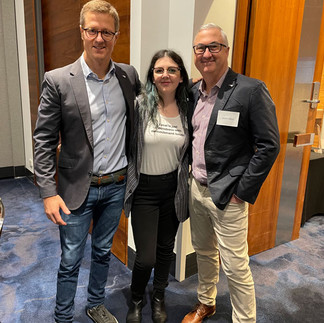
This post draws on insights shared at the Nuj Super Reporting Forum, a practitioner-led discussion series for superannuation regulatory reporting professionals. With thanks to our panellists: Shayan Gunawardena from Australian Super, Jessica Murray from MUFG, Scott Tatulaschwili from CBUS Super, and Matthew McKenzie from Nuj Super.


Comments